Openness vs. Oversight: Miensk’s Changing Outlook in the Tourist Boom Era
The number of tourists visiting Miensk, as well as where they come from has obviously changed in recent years. Pandemic, political events, and shifts in international relations have seriously impacted the perception of the Belarusian capital, as well as the way it is used for tourism. Miensk experienced several waves of tourist activity, from growth in the 2010s that peaked in 2019 to a sharp decline after 2020 and a gradual recovery with a clear shift towards the Russian market. This transformation affected the very character of the city: its spaces, cultural events, identity, and the way it presents itself to visitors.
So what kind of tourist identity has Miensk developed in recent years? This article examines the main aspects of evolution of this identity, including dynamics of tourist flows, development of new urban venues, changing formats of cultural events, and specific challenges faced by tour guides, who now find themselves caught between official standards and the need for personal interpretation.
The Recent Tourist Boom
Calculating the number of tourists in Belarus overall and specifically in Miensk is a challenging task, because in practice, only those who contacted travel agencies for organised tours can be counted For example, according to the National Statistical Committee (Belstat), in 2024 the number of organized foreign tourists visiting the country amounted to 366,700 people. The majority of them were from Russia (over 355,000 people), followed at a considerable distance by visitors from Latvia (around 4,100 people), and in the third place by visitors from Turkey (around 1,500 people). The list also includes tourists from China, Lithuania, Estonia, Germany, Kazakhstan and Azerbaijan, whose total number did not exceed 3,000 people [1]. At the same time, it is obvious that some tourists do not contact large travel companies, but travel on their own and/or book individual tours from private tour guides, which makes tracing such visitors’ paths much harder.
Back in 2022, visa-free entry to Belarus was reinstated for citizens of Lithuania, Latvia (in April), and Poland (in July). Later, in 2024, it was expanded to cover citizens of 35 more European countries. According to the State Border Committee, EU citizens entered Belarus 1,213,337 times during this period, more than half of those by Lithuanian citizens. About 390,000 Latvians and 120,000 Poles also used the visa-free regime to visit Belarus. Speaking exclusively of 2025, over the period from January to September, about 180,000 foreigners crossed the Belarusian border [2]. Of course, not all of them came to Belarus for tourist purposes, but most likely the total count of foreign tourists would exceed Belstat’s figures.
In a broader perspective, the peak in foreign visitors came in 2019, when almost 12 million people visited Belarus, surpassing the country’s own population. In 2020, numbers plunged threefold, with slightly over 3,5 million visitors arriving [3]. At first, the COVID-19 pandemic brought all tourism activity worldwide down to a minimum. Then, the events of 2020 overturned the perception of Belarus globally as a safe travel destination. That was followed by the forced landing of a Ryanair plane in Miensk and Europe’s suspension of air connections with Belarus; the migration crisis at Belarus’s border with the EU; the closure of most border crossings with Latvia, Lithuania and Poland; and, finally, the start of Russia’s invasion of Ukraine. All these events contributed to the erasure of Belarus from tourist maps.
Simultaneously, over the past five years, Russian tourism to Belarus has grown significantly, as travel to the EU has become much harder for them since the war began. Nevertheless, Belarus appeared to many to be more European than Russia itself, and travel agencies, including Russian ones, have responded to this. Active promotion of the Mir Castle and Niasvizh Palace in the Russian market, as well as the display of Hrodna’s ancient architecture as accessible European heritage made Belarus an attractive destination. Furthermore, the ability to use apps restricted or banned in Russia, such as Instagram, as well as to buy products from foreign brands absent from the Russian market, added to Belarus’s image as a more Western and open country. Even tiny details as the presence of signs in the Belarusian language in towns and cities, coupled with different currency, Belarusian rubles, emphasize a certain foreignness, non-Russianness of Belarus compared even to the European part of Russia, where most of these tourists come from.
Still, counting tourists from Russia presents certain challenges, which are not least due to the lack of full-fledged border control between Russia and Belarus. And, if Belstat shows a steady increase in Russian tourists from about 52,000 in 2021 to 355,000 in 2024 [4], the Russian Union of Travel Industry accounts for even more: 2.8 million people in 2021 and 4.8 million in 2023 [5]. In any case, it is safe to say that either way the number of tourists from Russia significantly exceeds the number of visitors from other countries, and this gap is only growing.
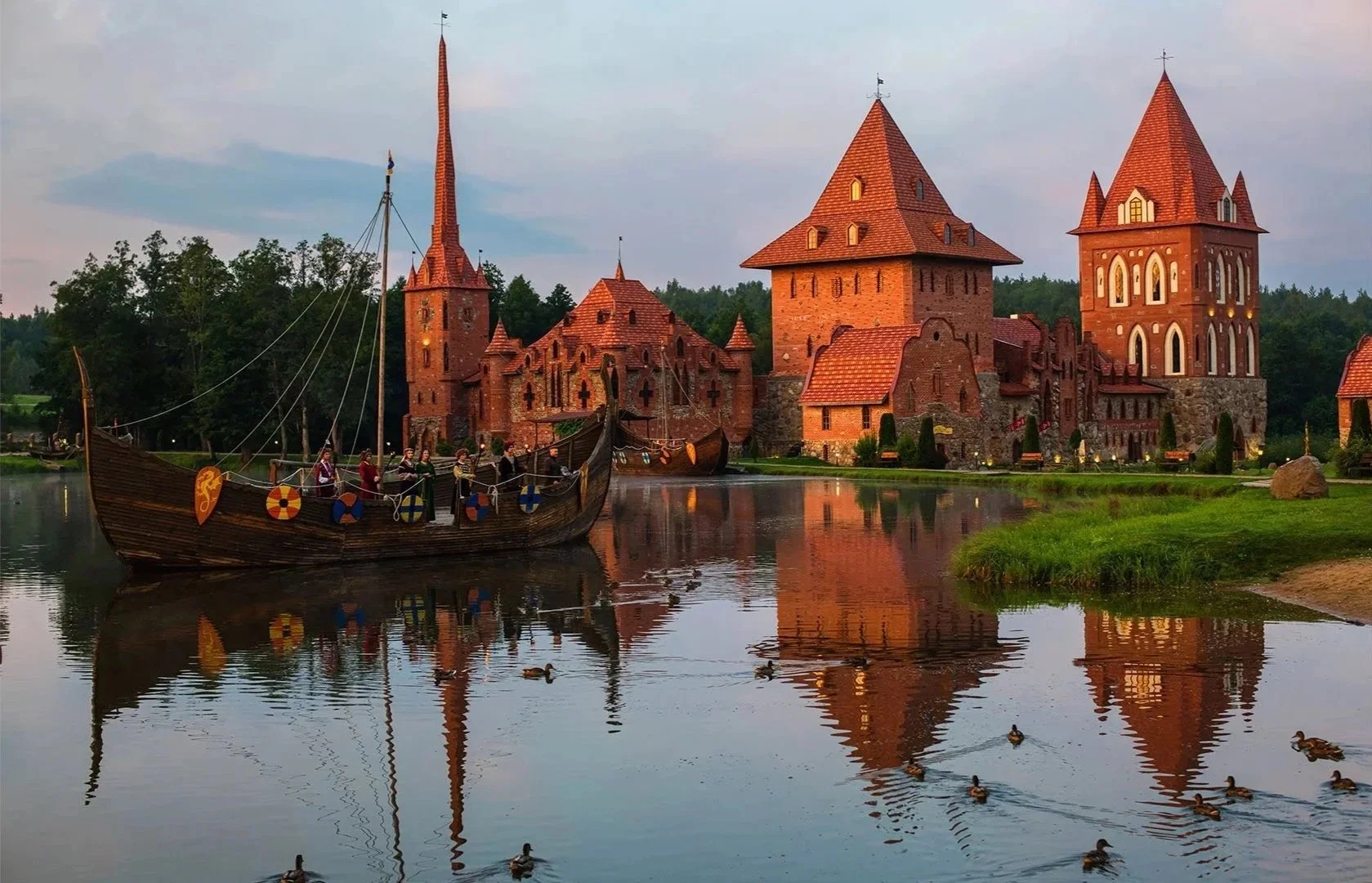
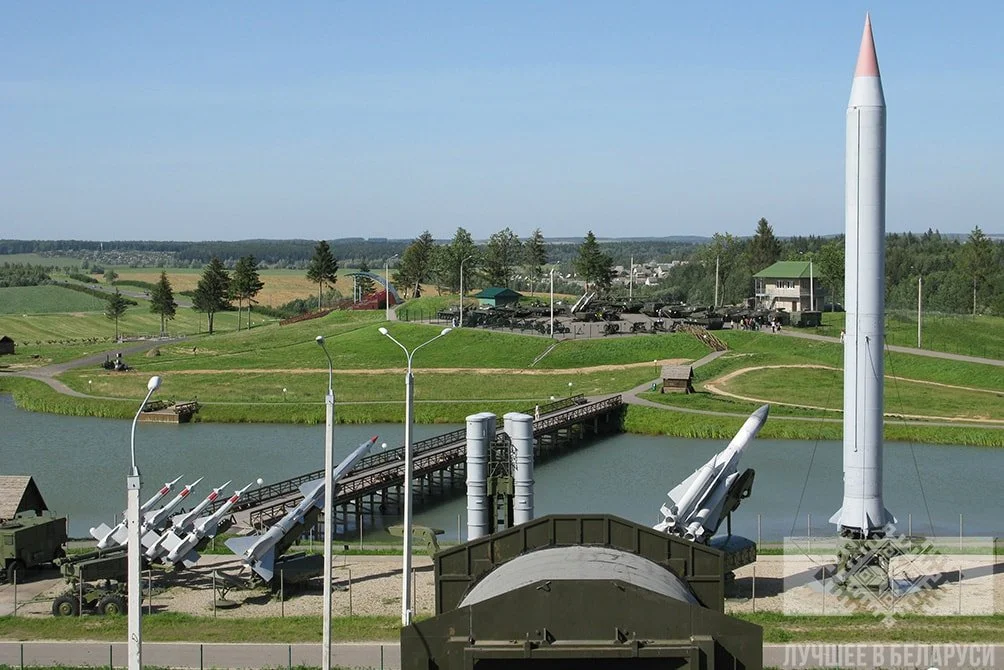
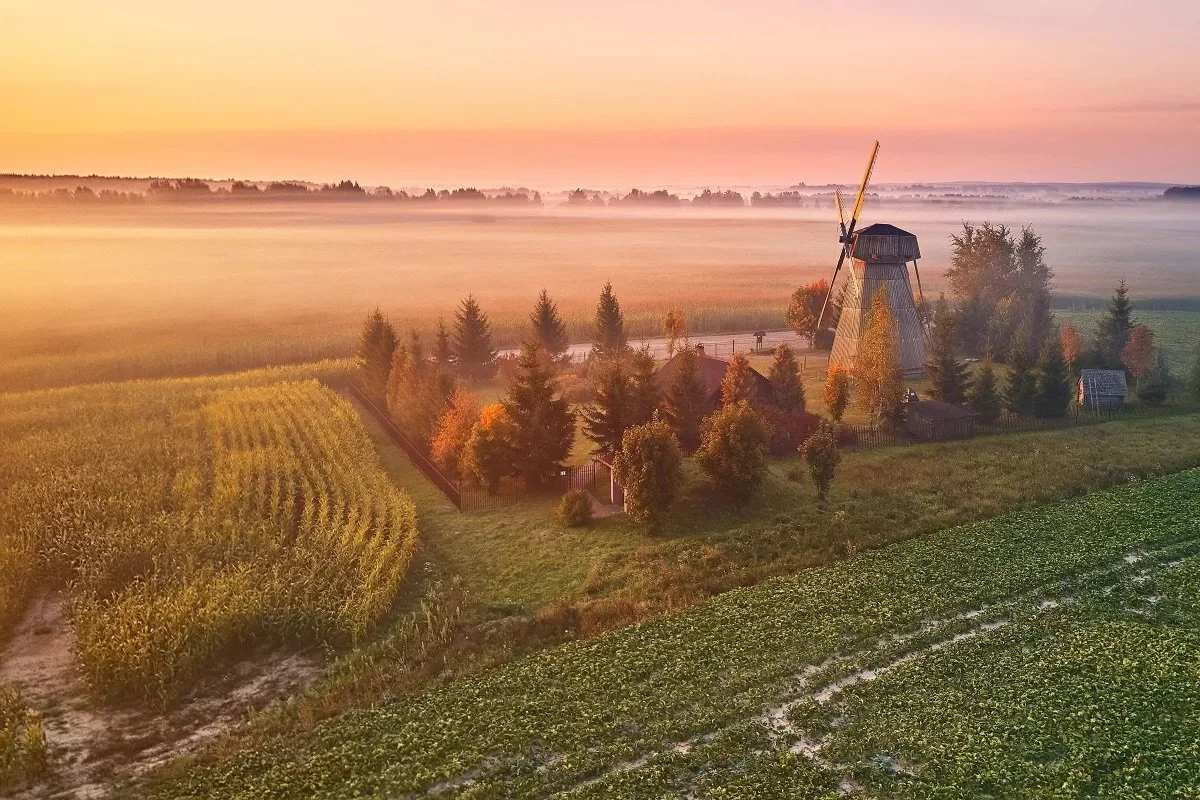
As for Miensk itself, according to the city’s Main Statistical Office, 597,000 organised tourists and around 295,000 excursionists used the services of tourism organisations in 2024 [6]. For many tourists, Miensk is a mandatory starting point of a travel route in Belarus. According to the tour guides’ experience, the standard rout of tourists from Russia spans 2-3 days, of which one day is allocated to Miensk itself and another day to the Mir and Niasvizh castles. Depending on their time, resources, and interests, visitors usually add trips to the Stalin Line, Khatyn, and the Mound of Glory; the museum complex of traditional crafts and technologies ‘Dudutki’; the historical park ‘Grand Duchy of Sula’; Bierascie, with a mandatory visit to the Bierascie Fortress and Bielavezhskaya Pushcha; and Hrodna.
Revitalising the Urban Landscape: New Places of Attraction
While the overall figures point to a paradoxical rehabilitation of Miensk as a tourist destination, processes within the city itself are also shaping its tourist potential, namely, the renovation of historical areas and creation of new attractions that are transforming Miensk’s cultural landscape.
By far the most attractive tourist area in Miensk is the area of the historical center, which includes the Upper Town and the Trayetskaye Suburb. Another suburb, Rakauskaye, however, despite its central location and considerable potential, remained largely overlooked by the city authorities for a long time. This was primarily due to its artificial isolation caused by the construction of the Parkavaya Highway (now Pieramozhtsau Avenue) through the centre and the demolition of the historic Niamiha district. Furthermore, the area featured industrial buildings of Mechanised Bakery No. 1 and a wallpaper factory, which hindered comprehensive regeneration of the territory. Finally, 2017 saw the launch of transformation of the Rakauskaye Suburb, officially completed in 2024.
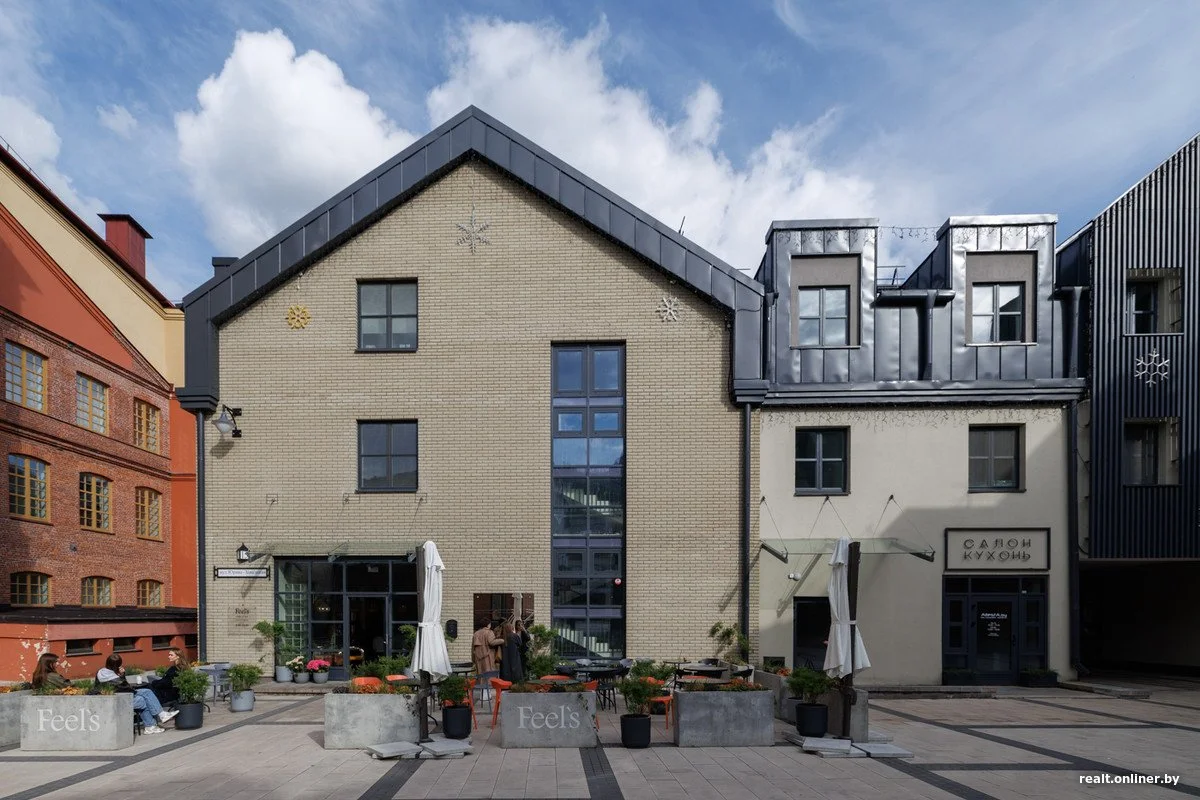
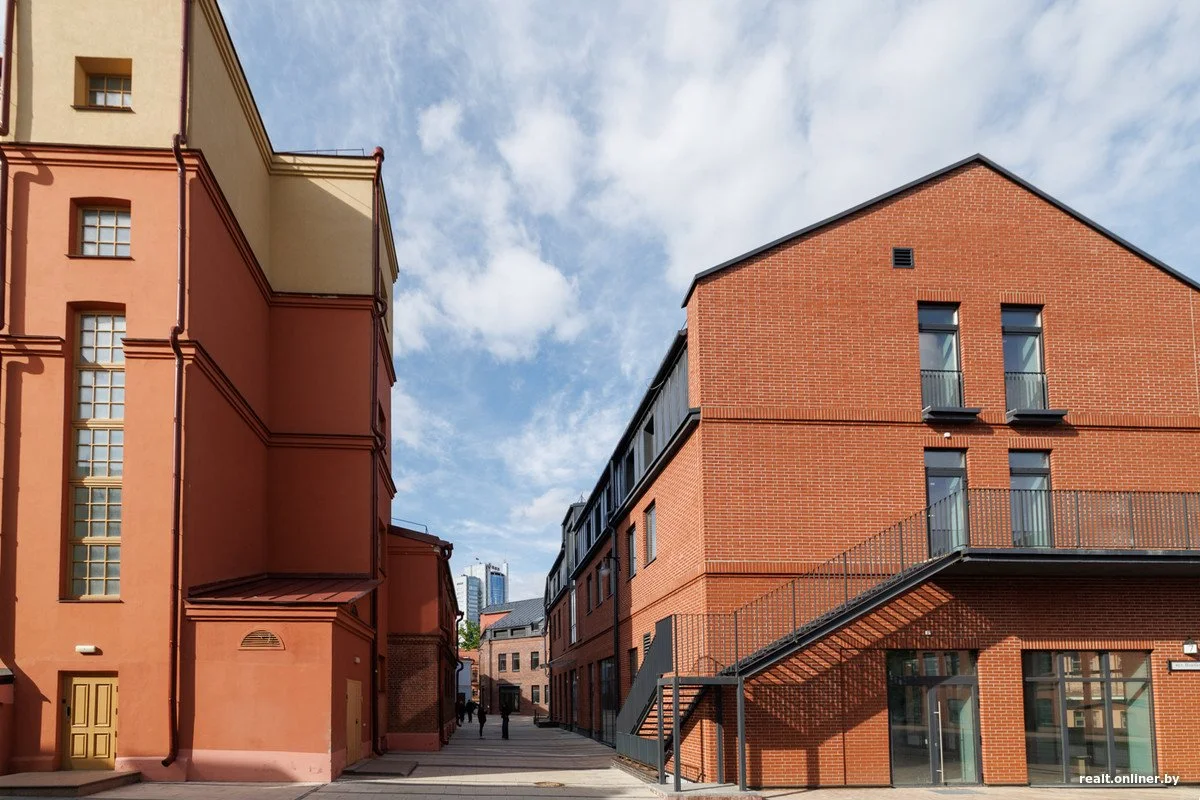
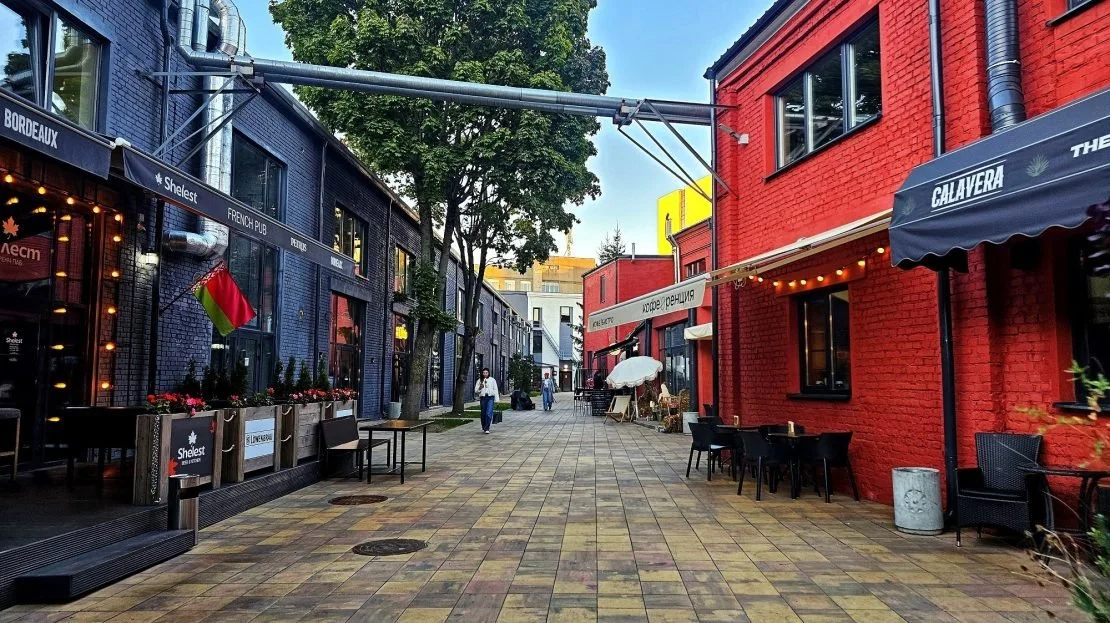
On the site of the former bread factory and the surrounding original houses from the late 19th and early 20th centuries, a new pedestrian district with cafés and restaurants has been created, still not widely known among city residents, let alone tourists. Nevertheless, a new hall of the Museum of History of the City of Miensk (17 Rakauskaya Street) has already opened here, as well as the third location of the Ugrynovich Art House, which combines a ceramics workshop, a shop, and a café. The art house offers master classes, as well as tours of ceramic production.
The quarter’s new buildings were erected using red brick and terracotta-colored plaster to imitate the original outlook that the suburb had in the 18th and 19th centuries. To add to that, a theater stage has been installed in the suburb’s central pedestrian square, and future plans include a jazz club and a bread museum, which are expected to create additional points of attraction for tourists.
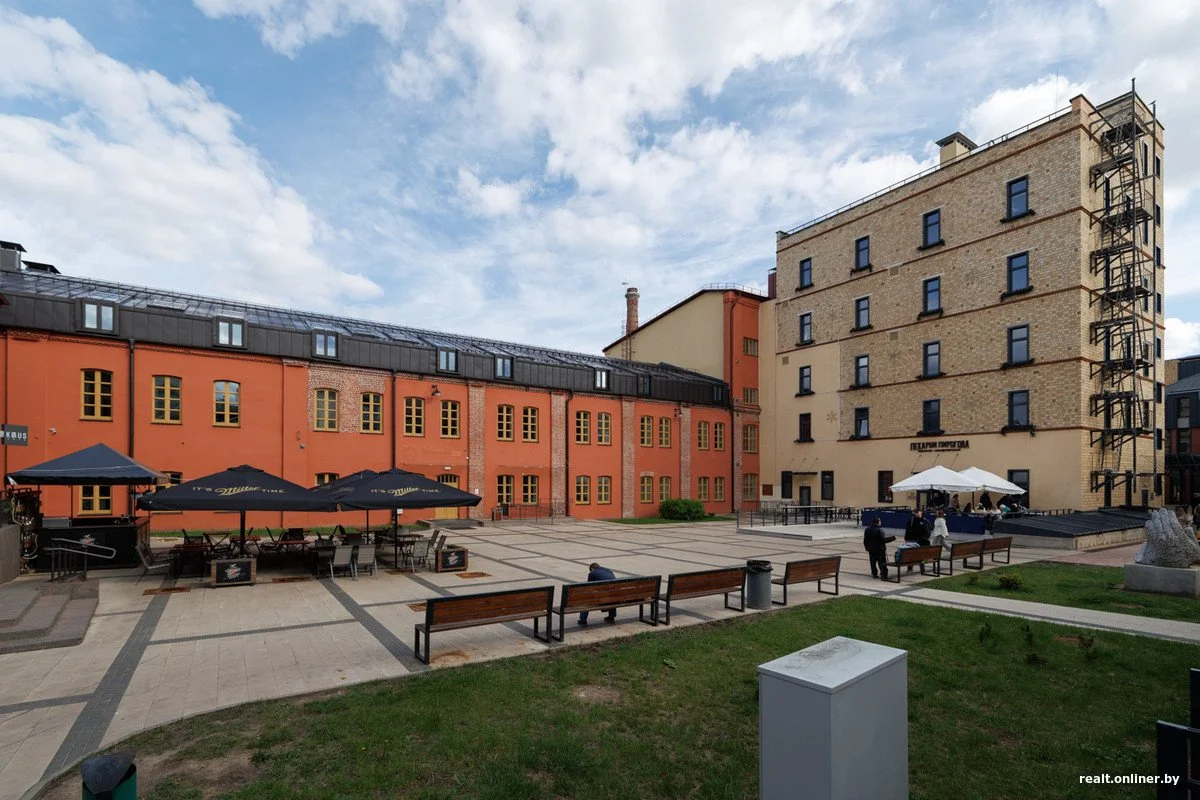
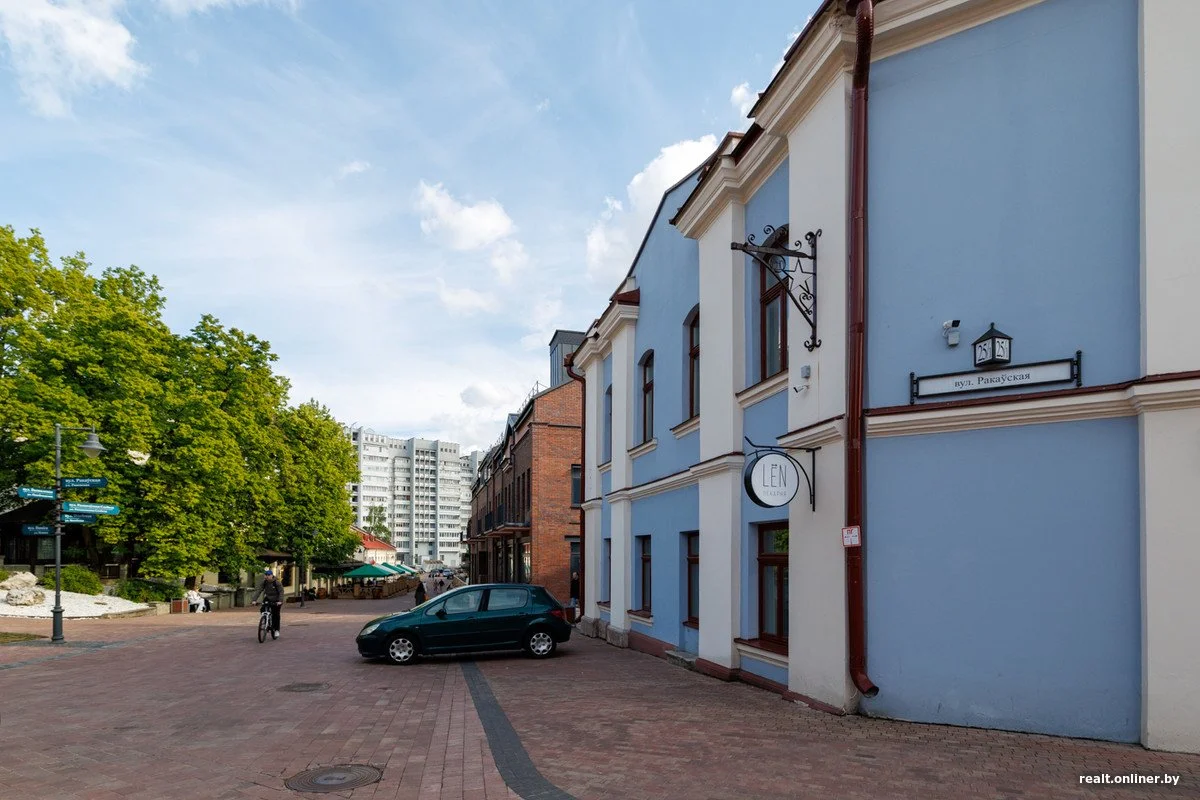
Over the past five years, many new entertainment and recreational venues appeared in Miensk, new restaurants and cafes are opening. This is especially noticeable against the backdrop of the disappearance of a significant number thereof in the early 2020s: some did not survive the COVID era, while others were forced to close due to pressure from the authorities, economic difficulties, and reduced support for cultural initiatives. Cultural venues were particularly affected: during this period, the OK16 art space, Ў Gallery, Viershy, and the Corpus Cultural Center ceased their existence.
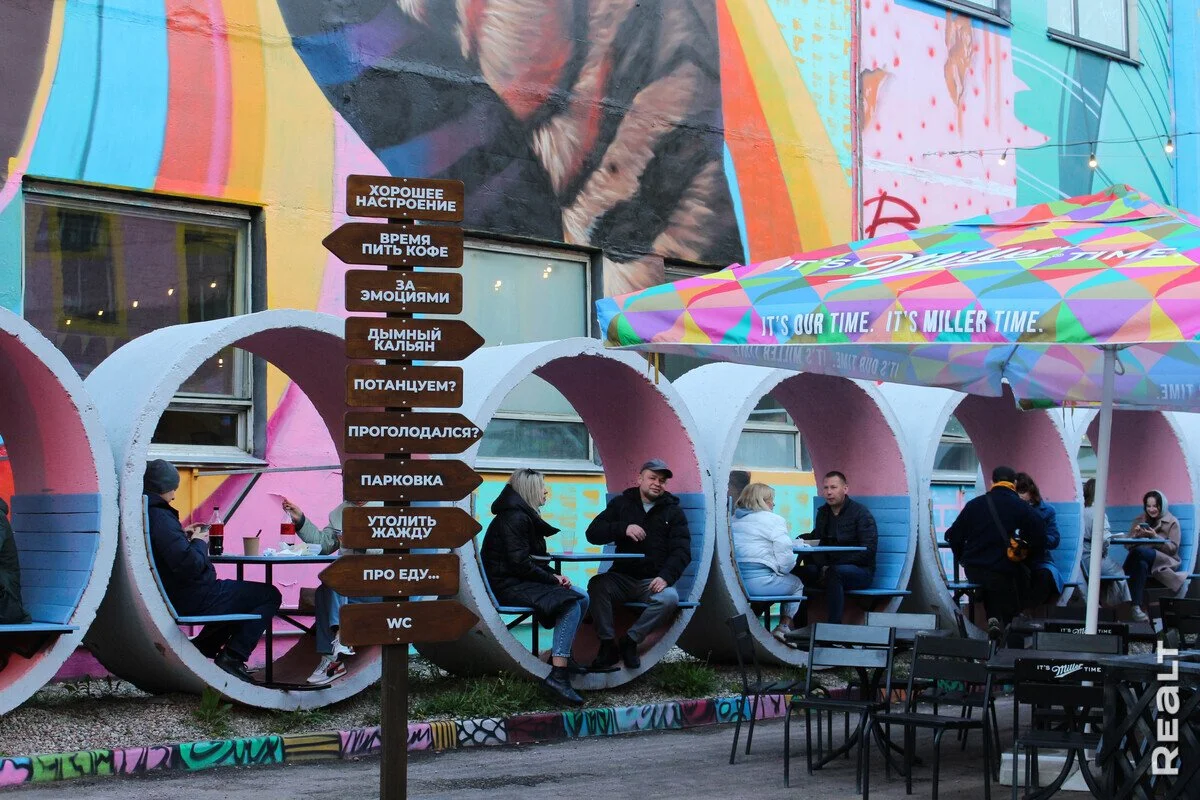
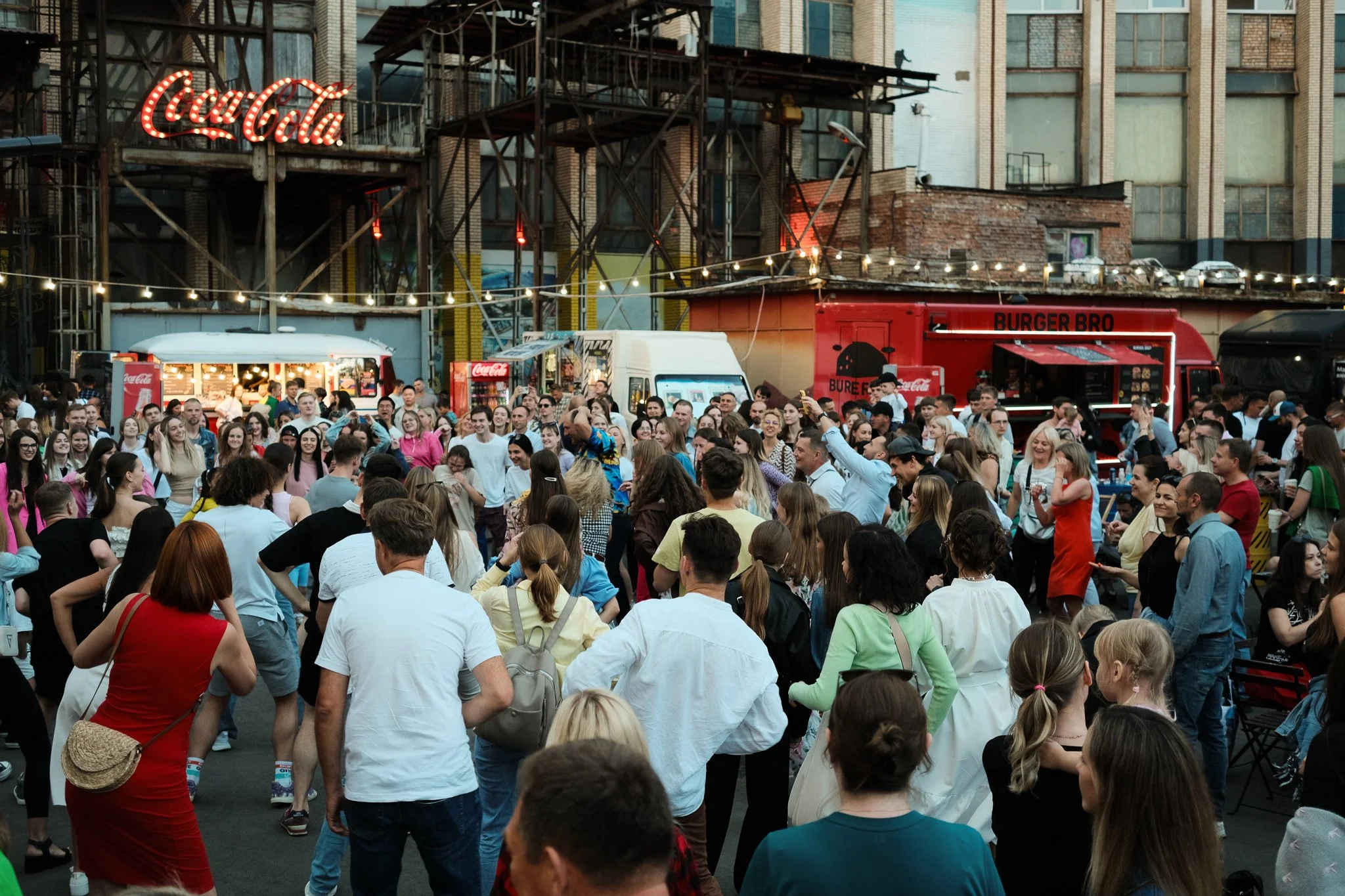
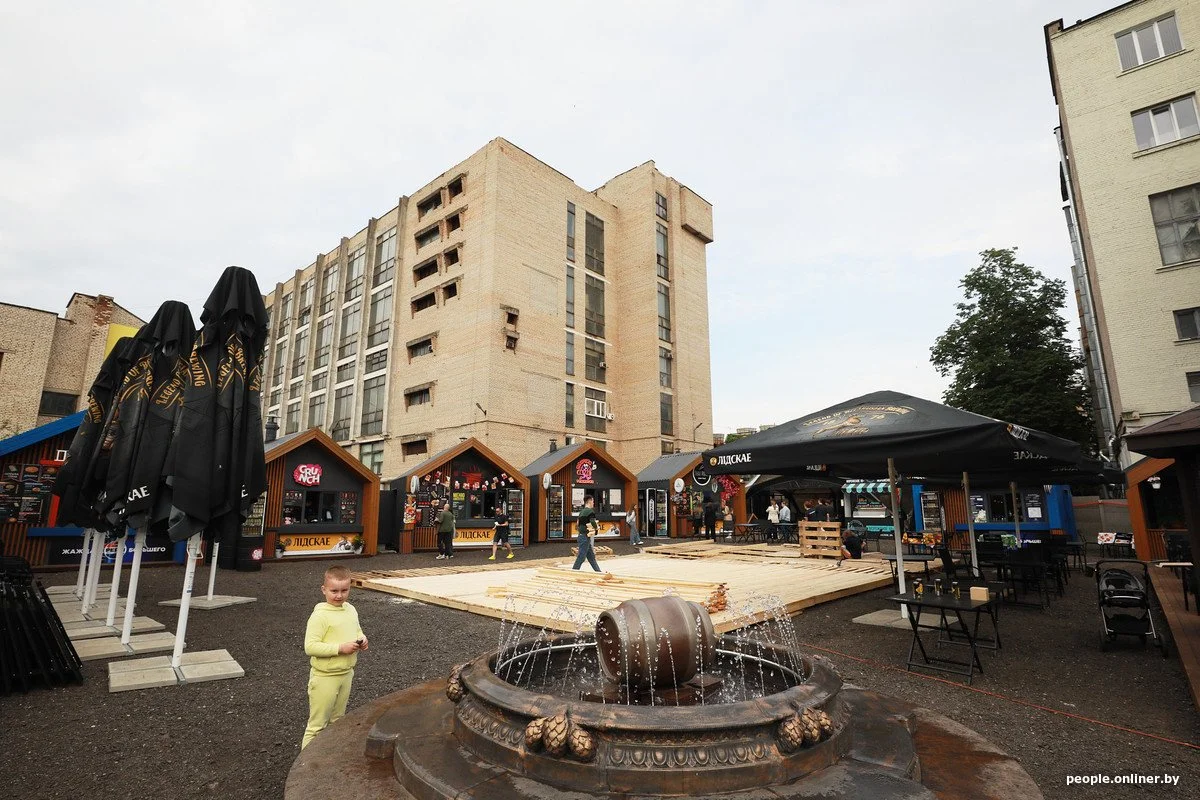
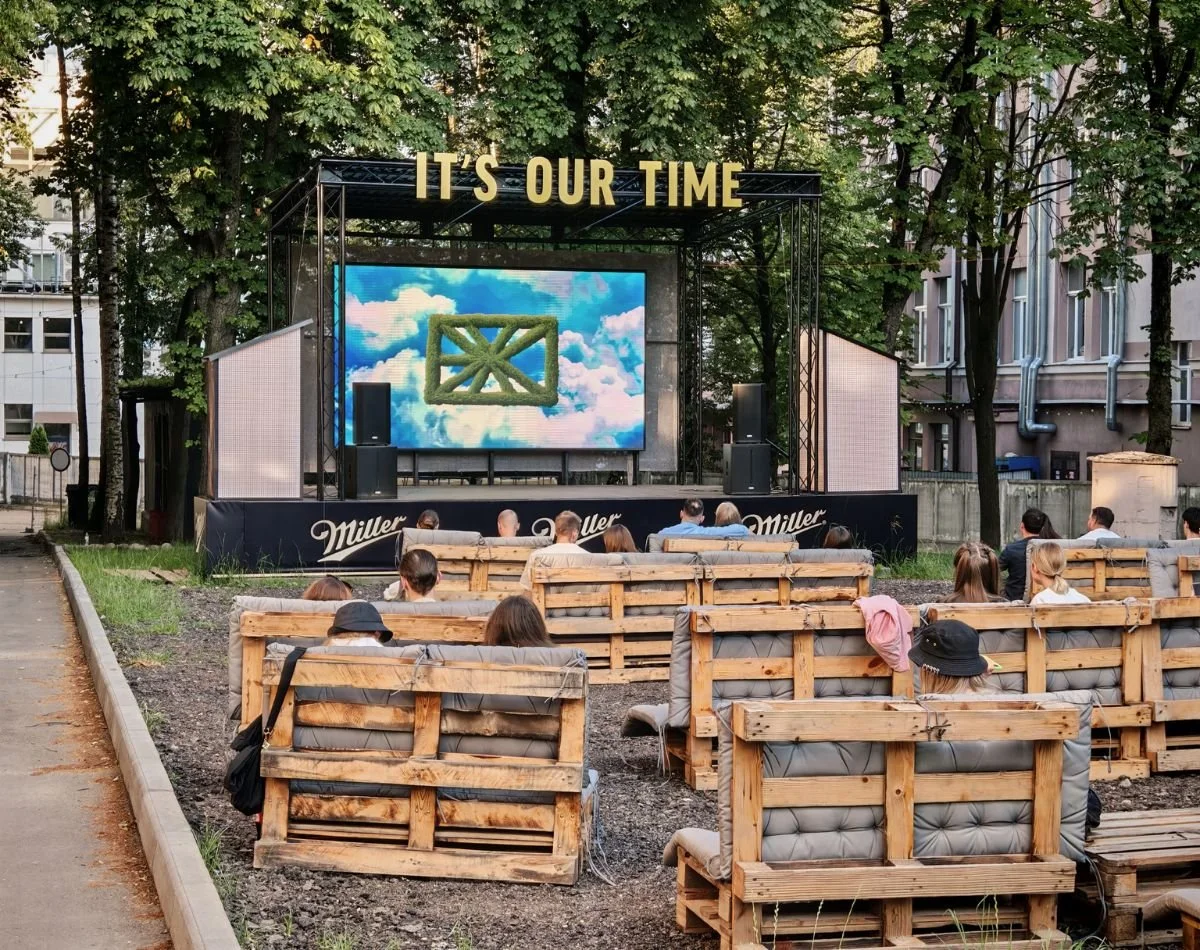
At the same time, a network of street food venues in former industrial zones actively expanded in Miensk with a focus on multi-format and social recreation. The first such venue was the iconic Piasochnitsa, which appeared in the territory of the Haryzont factory back in 2018. Later, LIDBEER DVOR (2021), Luchshaya Ulitsa (2022) and ECHO Dvor (2025) were added, operating in a similar format. These venues enjoy popularity among the city’s guests and residents, however, they are open only in summer. Venues like Piasochnitsa or Luchshaya Ulitsa create additional points of attraction and can potentially become alternative tourist areas outside the ’classic’ historical center. For instance, Piasochnitsa is located next to the Alivaria Museum and brewery, as well as the Asmalouka historic district. In turn, Asmalouka’s coffee shops have grown popular with urban dwellers over the past few years, but they are still not so well known to tourists. Here too, quarters arete of the former industrial zone, the ‘M-15’ business quarter is developing rapidly, with trendy bars, restaurants, beauty salons, and photo studios. These add to the district’s multi-layered character and, together with the locations mentioned above, can attract tourists visiting Miensk for a few days.
Among the trends that can be correlated with the growing number of tourists from Russia is the growth of a network of food and drink venues that offer Belarusian national cuisine. Similar venues existed before (e. g. Kukhmistr, Kamyanitsa, At Yanka’s, Rakauski Brovar, Vasilki, Litviny), but recently new popular eateries such as Bulbashy, Mary, and Dranichnaya have opened their doors. These restaurants not only offer traditional and well-known Belarusian dishes, such as draniki or machanka, but also strive to create new interpretations. For example, the above-mentioned Litviny use recipes from the time of the Grand Duchy of Lithuania as a foundation, and then tailor them to a modern guest’s taste, while the Bulbashy restaurant chain use local, seasonal products such as farm cheeses or Naroch eels. These and other Belarusian cuisine venues are very popular with foreign tourists, primarily from Russia, which may result in further development of this segment of eateries in Miensk.
National Culture Festivals: From International Representation to Russian Regionalism
After the regeneration of the Upper Town area was completed, Svabody Square became one of the main venues for hosting a variety of city-wide cultural events. Jazz Evenings, the ‘Classics by the Town Hall’ music festival, as well as national culture days and festivals gradually became an integral part of the city’s summer cultural programme, making Miensk more diverse and connected to the broader European festival circuit. This trend peaked in 2018 and 2019, when almost every weekend in Svabody Square was devoted to the culture of a certain country, including Georgia, Ukraine, Estonia, Sweden, Great Britain, South Korea, Armenia, Moldova, Greece, Poland, Azerbaijan, Italy, China, Russia, and India, as well as Jewish culture. The events were broadly supported by the city authorities and the embassies of the above countries.
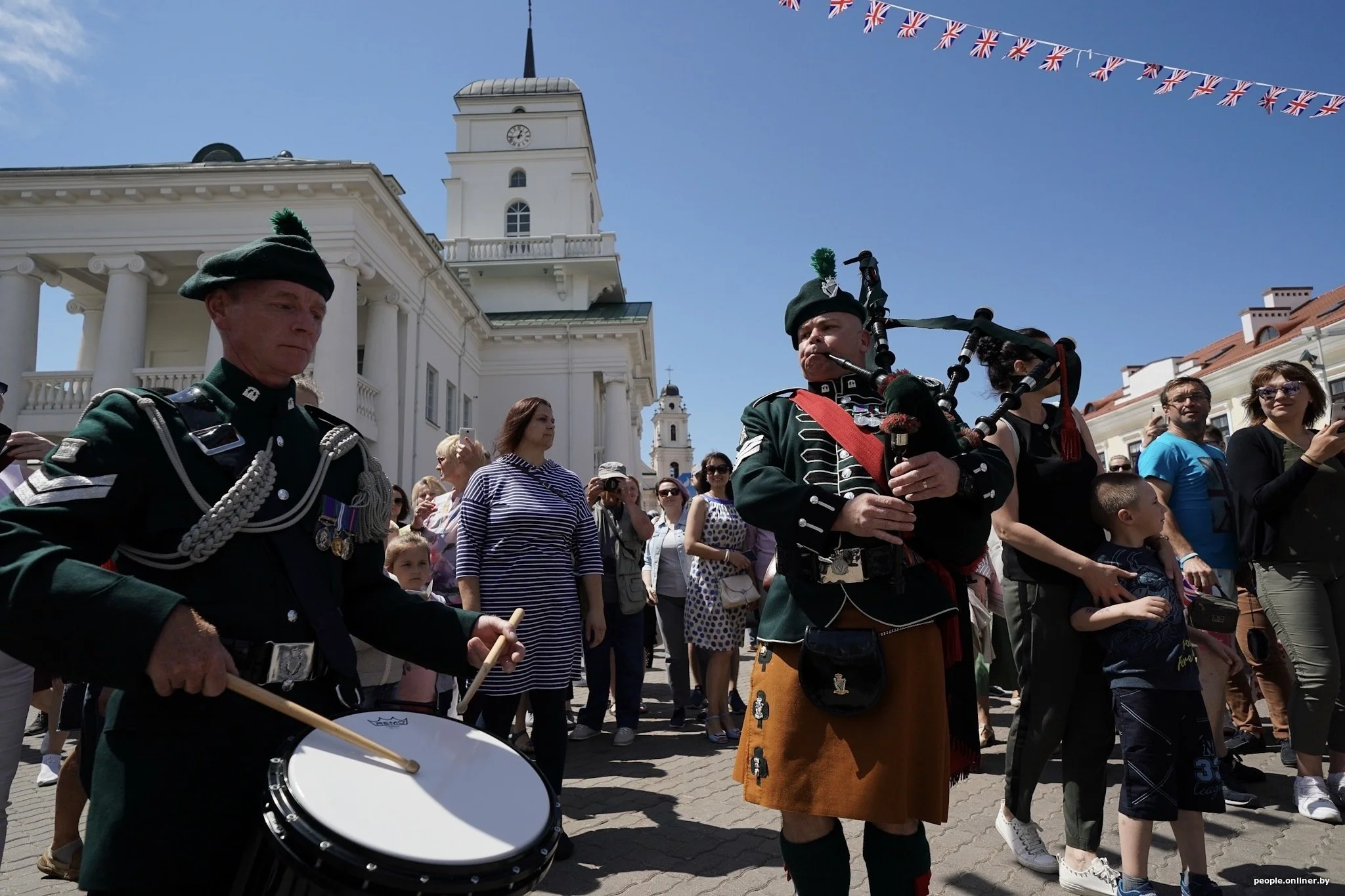
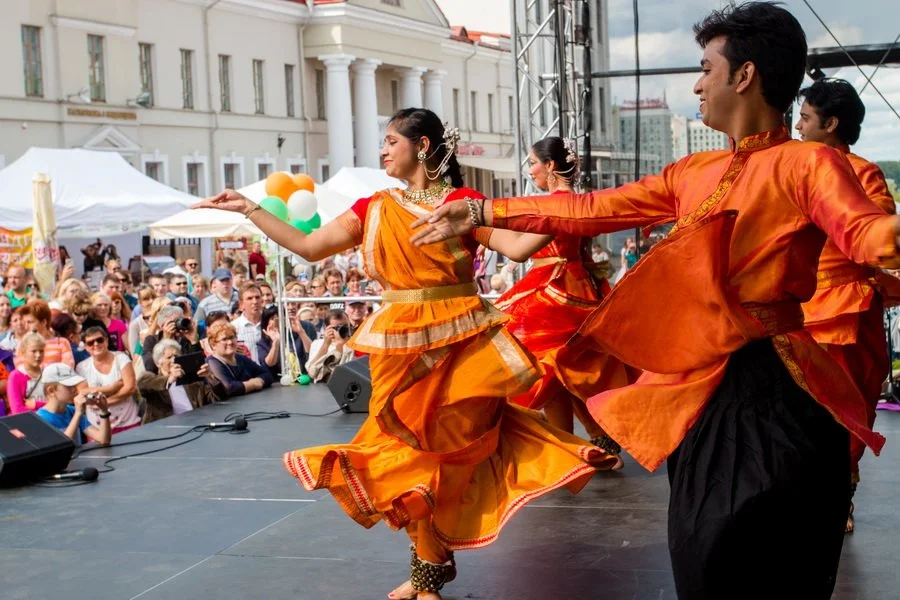
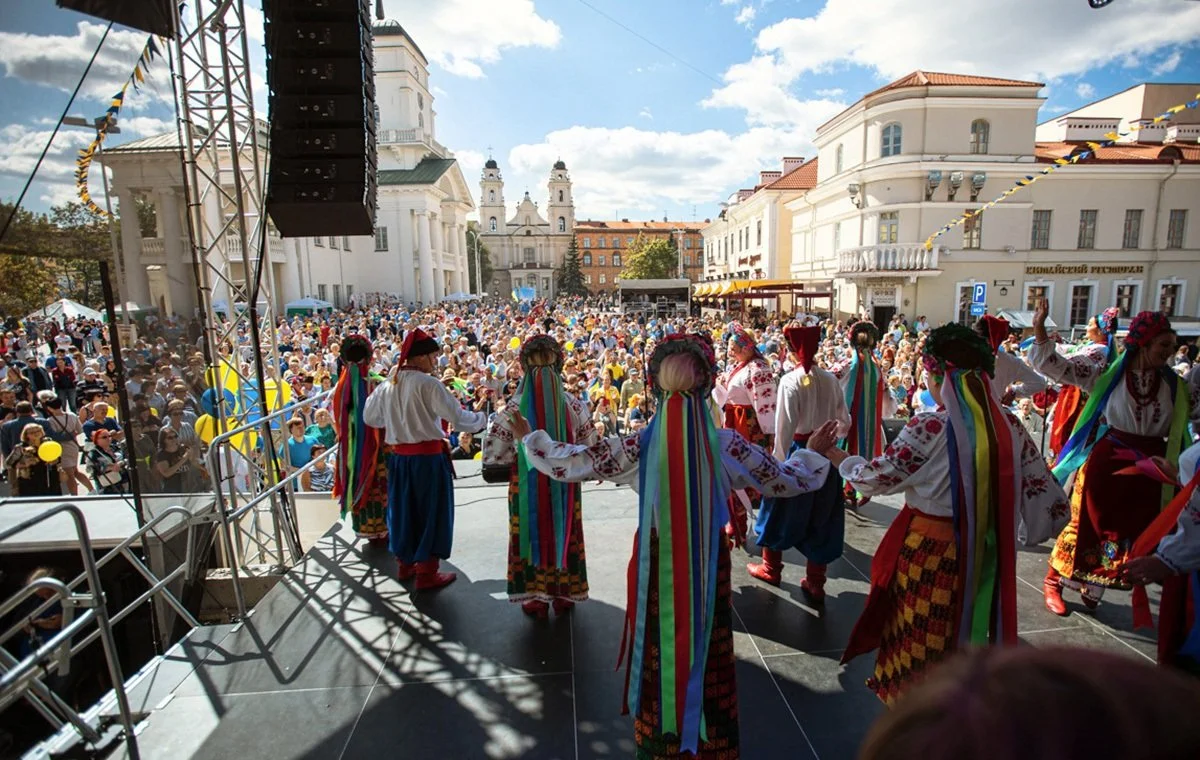
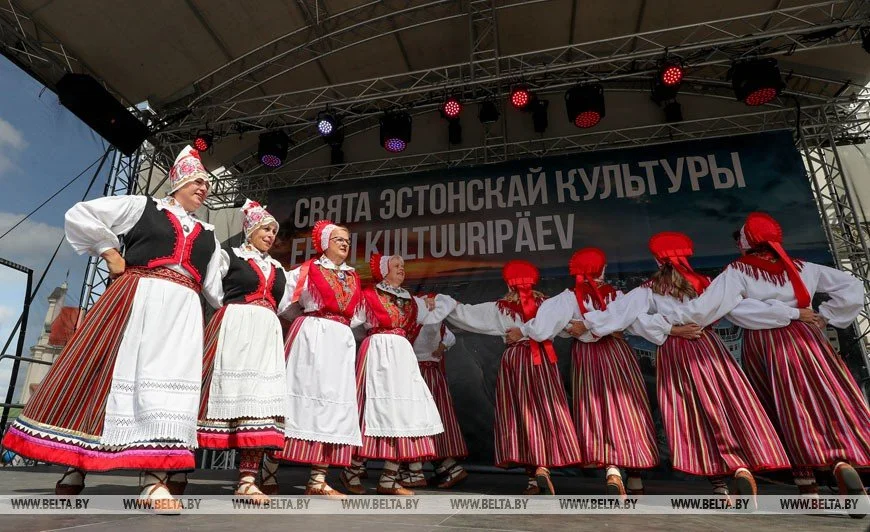
The COVID-19 pandemic, and later the events of 2020, suspended the good tradition of summer festivals in Miensk for a while. Later, starting in 2022, some of the events resumed, but on a smaller scale. The European Union’s non-recognition of the presidential elections in Belarus led to the closure of some embassies, or at least to downscaling cooperation between official Miensk and diplomatic missions. Then, following the outbreak of a full-scale war in Ukraine, it became impossible to organize days of Ukrainian culture in Miensk. So, gradually the city lost one of its bright features, which enriched the cultural life of both its residents and visitors.
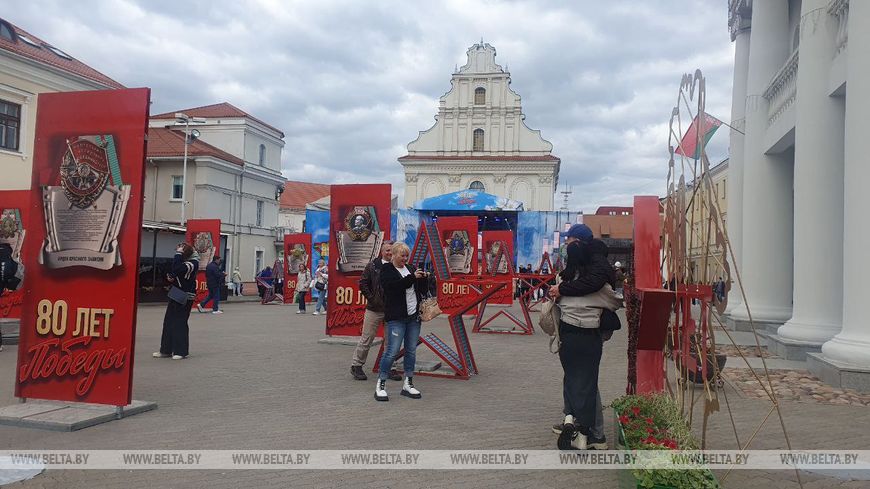
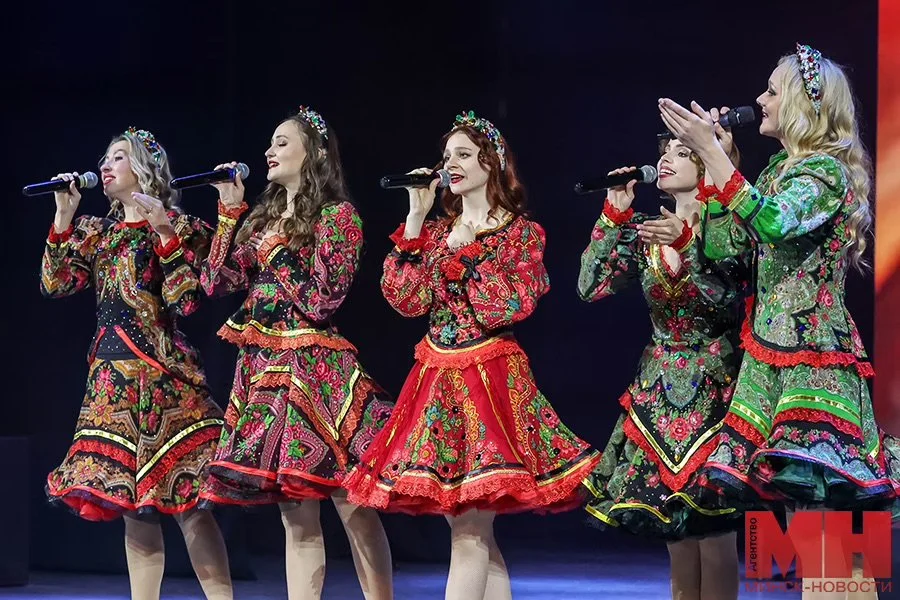
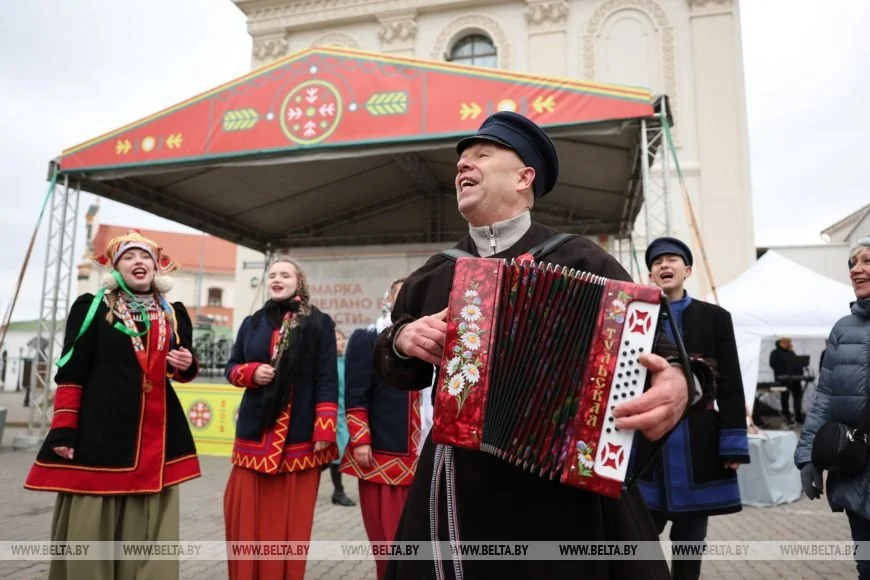
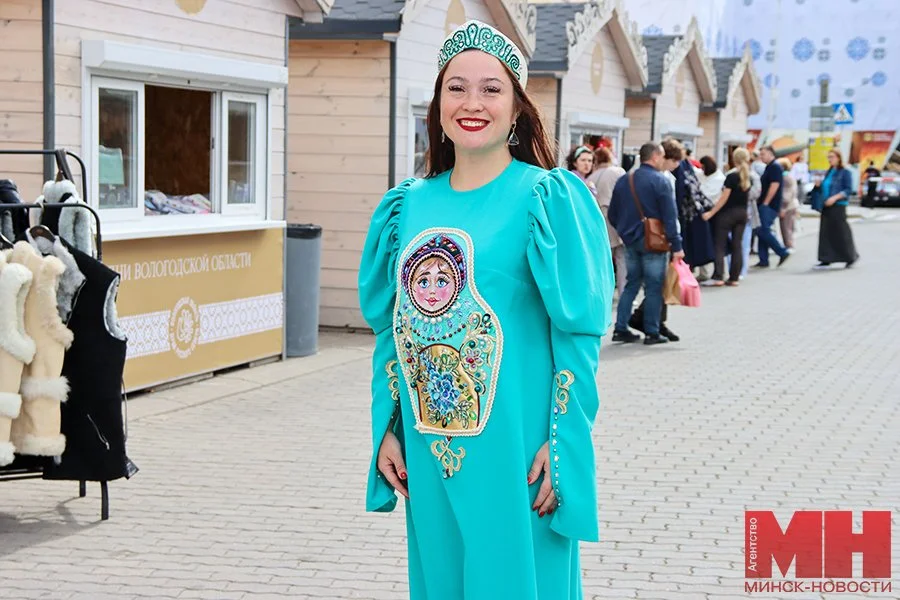
Certainly, some ‘national’ days have been reinstated. For example, in May 2025, the Chinese festival ‘Tea for World Harmony’ took place [7], and in September 2025, the Mexican culture festival ‘Hola, México!’ was held [8]. At the same time, the days of culture of European countries were replaced by those of Russia’s regions. Thus, in August 2025, Miensk hosted the days of the Vologda region, while future plans include days of Perm, Penza and Tula regions. On the one hand, such events still contribute to enriching the cultural life of Belarus’ capital, but on the other hand, they transform its public space into an exhibition of achievements of Russian culture. Overall, it should be noted that all the main events of Miensk’s summer season were held under the overarching title ‘United by Bright Memory’ and were dedicated to the 80th anniversary of victory in the Great Patriotic War [9].
Working as a Tour Guide in Miensk: How to Balance the Official Narrative with Individuality?
The tourist boom in Miensk described above calls for the work of various professionals to serve it. One of the latter is tour guides, which have recently found themselves in changed conditions. Although technically, many of the requirements have remained the same, in order to conduct tours in Belarus officially, one must obtain a tour guide’s certificate. The respective assessments consist of two parts: computer-based testing, where one must score at least 60%, and an in-person interview. In fact, the second part involves presenting a piece of the approved script of the tour the guide wishes to work with. At the moment, there are 163 approved scripts, most of them (about 20), naturally, dedicated to Miensk [10].
The script titled ’Miensk — the Capital of the Republic of Belarus’ that features a 4-hour bus and walking sightseeing tour is considered the basic one. It is most often presented by potential tour guides, as it covers the main tourist attractions and routes, primarily Niezalezhnasci Avenue from Niezalezhnasci Square to the National Library, as well as the historical center with the Upper Town and the Trayetskaye Suburb. Interestingly, as a kind of counterbalance to the city’s historical architecture ranging from the 17th to the mid-20th century, the route also includes Pieramozhtsau Avenue, which features the modernist complex of the former Parkavaya Highway, as well as key ideological sites (the Museum of the Great Patriotic War with the ‘Miensk — Hero City’ stele, the State Flag Square, the Palace of Independence), sports facilities (the Falcon Club Sports and Entertainment Complex, the National Olympic Committee of Belarus, the Miensk-Arena complex), and major shopping and entertainment centres (Galleria Miensk and Zamak shopping malls). Many of them received awards in architectural competitions over the years and therefore are now expected to symbolize the progress and development of the capital of Belarus.
Among the officially developed route options in Miensk, a number of thematic ones stand out: ‘Sporting Miensk,’ ‘The Churches Remember Everything,’ ‘Theatrical Miensk,’ ‘Architectural Miensk,’ ‘New Year’s Miensk,’ ‘Evening Miensk,’ and so on. A separate category consists of routes dedicated to the events of the Second World War, for example: ’Unconquered Miensk’, ’Know and Remember: The Maly Trastsianets Camp’, ’Living in Captivity: The History of Stalag-352′. The last two tours were developed only in 2020.
At the same time, less trivial routes are also emerging, such as ‘Aromatic Stories: Coffee and Chocolate in the Life of the Capital,’ which explores the history and culture of coffee and chocolate consumption in Belarus, combining visits to architectural landmarks of the city centre with those to both historic and contemporary cafés. Or the ’Lehaim! The True Jewish Miensk’ tour that showcases Miensk as an important center of Jewish history and culture in Belarus.
Creation of specialised tours covering important landmarks in Miensk in the clear Russian language (for people with cognitive challenges), as well as tours for people with disabilities are another notable positive trend. In general, this makes Miensk more accessible to various categories of tourists.
However, the state-run information infrastructure fails to keep pace with the changes in the city. The official tourist portal of Miensk (https://minsktourism.by/), which is supposed to be one of the key websites with up-to-date information about the capital, is updating very slowly. For instance, most articles about restaurants were written in 2022 and are clearly outdated. Only the events calendar is updated more or less regularly, and it largely offers concerts by Russian stars for visitors and residents of the city.
The website is available in 4 languages: standard Belarusian, Russian, English, and Chinese, and offers a variety of sightseeing options in Miensk. For instance, the list of recommended sights is topped by those linked to the Second World War (the ‘Mound of Glory’ memorial complex, the architectural ensemble ‘Miensk — Hero City,’ as well as the memorials ’Pit’, Maly Trastsianets’, and ’Stalag 352′, a former Nazi prisoner-of-war camp). The top ten also includes the Palace of the Republic, the Dynamo Stadium and the Minsk Arena [11]. Surely, some of the tourists do come to the Belarusian capital to experience nostalgia or to cheer on their favorite hockey team, however, how prominent and characteristic of Belarus are in fact those sites? And to what extent are tourists curious about them? Most likely, the list was shaped under the influence of the Year of Historical Memory, announced in Belarus in 2022, which called for renewed commemoration of the victims of the Second World War, and also added an ideological dimension to any state-organised holiday events.
At the same time, it must be made clear that in reality travel companies and individual guides often use officially approved scripts and routes as the foundation for development of their own bespoke high-quality products. The increased number of tourists in Miensk, primarily from Russia, also stimulated growth in the number of offerings on the tourist market, which in turn encouraged greater variety and diversification. Some tourists keep returning to Miensk, which reduces their interest in ordinary walking tours of the Upper Town or Trayetskaye Suburb.
The most popular resource for finding and ordering tours of Miensk is the experience.tripster.ru website, which currently features 348 tours. The menu of thematic programs on the website goes way beyond the official tour scripts and routes. Tourists are invited to discover Miensk through the prism of street art, alternative culture, traditional and modern Belarusian cuisine with visits to eateries and tasting sessions, or even through quest games not involving tour guides directly. The website also lists site or district-specific tours, including historical suburbs, the near-abouts of the Tractor Plant, the ’Valeryanava’ farmer’s market with a food tour, the ’Belarusfilm’ studio, as well as the city’s historical cemeteries.
Tourism, and consequently the work of tour guides, is seasonal in nature. Roughly speaking, the high season runs from May to September, and the low season from October to April. But even in the low season there are peak periods, when for several days the influx of tourists exceeds what the market can accommodate, and guides work to exhaustion. The busiest days are those around the following Russian holidays: New Year to Orthodox Christmas (1–7 January), Labour Day (1 May), Victory Day (9 May), Russia Day (12 June), and National Unity Day (4 November).
Victory Day in Miensk, 2025
Source
As you can see, at least two of the listed holidays are clearly affiliated to Russian culture, while Victory Day has also acquired clear ideological and propaganda features in recent years. Undoubtedly, for (most?) tourists from Russia, these long weekends are simply an opportunity to plan a short break in another country, and to them visiting Belarus does not seem likely to cause cultural shock or significant financial expense.
Based on tour guides’ experience, it can be said that tourists tend to come with a certain set of stereotypes regarding Belarus, most of them harmless: tasty and high-quality dairy and meat products, varied potato dishes, clean and orderly streets. Historically, they mostly have a vague idea of the time after 1917, with stronger focus on the events of the Second World War. A major shock for some visitors is the history of Miensk in the medieval and early modern periods, with its town hall and tradition of self-government, not just its Orthodox monasteries and orders. The fact that historic Miensk was destroyed not only during the Great Patriotic War, but also lost much during the Soviet crackdown on religion in the 1920s—1930s and the post-war reconstruction of the city, can be surprising.
It is beyond doubt that a lot depends on the tour guide’s personal interpretation, highlights placed, as well as the proposed historical examples and parallels. For instance, is it necessary to focus on the demolition of the Miensk City Hall by order of the Russian Emperor Nicholas I during the tour? Should one talk about the violent restructuring of Uniate and Catholic monasteries during their transfer to the Orthodox Church? How to talk about the three divisions of the Polish-Lithuanian Commonwealth when the territory of present-day Belarus completely fell into the sphere of Russian influence? Or should one mention the Afghan War, which is largely meaningless to Belarusians, just because some tourists, while walking to the Trayetskaye Suburb, are sure to notice the chapel on the ‘Island of Tears’?
Tour guides are thus faced with a conundrum whereby, on the one hand, they need to tell something interesting about Miensk and Belarus, something that distinguishes it from Russia and its neighbors and that will inspire tourists to visit Belarus again, and, on the other, ’not to traumatize’ them with a critical interpretation of Russia’s role in the country’s historical development. After all, visitors come to Belarus in search or rest, positive impressions and emotions, however, they are also clients who pay for services and can leave a negative review if they are unhappy. This may not only undermine a guide’s rating on the tripster.ru website and lead to a collapse in potential bookings for future tours, but, given the domestic political situation in Belarus, may even draw the attention of the National Tourism Agency and, in extreme cases, the investigative authorities.
The tour itself can bring plenty of surprises, as some visitors, with complete good humour, may start asking about the events of 2020 in Belarus. Moreover, there have been cases where, right in the middle of a tour, law-enforcement officers approached guides, taking an interest in their use of the Belarusian language, or where plain-clothes officials blended into the group and discreetly recorded the guide’s narration on their phones. Against this backdrop, tour guides have fewer and fewer opportunities to express their own views; they are forced to avoid answering sensitive questions and to stick to information that stays close to the approved official script.
Conclusion
Currently, Miensk faces a dilemma that goes far beyond tourism in the narrow sense of this word. The city is trying to simultaneously maintain its attractiveness to outside visitors and, at the same time, exist in a situation of political and social isolation. Tourism in a way mirrors these processes, as it highlights the city’s search for new forms of self-expression and inner harmony between its past and present, as well as the desire to be open to the world.
Recent years have been marked with a clear reorientation towards Russian tourists, which produces both economic and cultural effects. On the one hand, their inlux supports the tourism industry that lost a significant part of its Western audience after 2020. On the other, it shapes the nature of the tourist experience, its points of emphasis, and the city’s visual language. Miensk is increasingly depicted through the prism of ’common history’, Soviet heritage, military and memorial sites, which reflects not so much the tourist strategy as the state’s general ideological line. One can even say that potentially successful tourism strategies, including those aimed at attracting Russian tourists, often conflict this ideological line: if Belarus is exactly the same as Russia, then why should Russians go there?
However, beyond the official routes and approved scripts, a different Miensk, a living urban body where new spaces and meanings emerge, continues to exist. Development of the Rakauskaye Suburb, street food venues, and private initiatives in the field of culture and gastronomy shows that the city is capable of self-regeneration. These processes are not so much economic as cultural: they reflect the search for a balance between Soviet legacy and modern interpretation, between oversight and self-expression.
Miensk’s cultural program in recent years indicates a reduction in international relations and an increase in the ’internal’ cultural offering, aimed at domestic and Russian audiences. Substitution of the Days of National Cultures with the Days of Russia’s Regions symbolizes the transition from multicultural dialogue to one-sided cultural influence.
Against this background, the tour guides’ work appears to be a subtle art of balancing, They must stay within the boundaries of officially approved narratives while still maintaining authenticity and keeping the tour engaging for listeners. And yet, even in this complex environment, there are signs of dynamics, prompting that dialogue is still possible. Thus, in 2024, the joint project of the Museum of the History of Miensk, the Belarusian Union of Architects, the Embassy of France, and the Embassy of Switzerland in Belarus, the exhibition ’Le Carbusier: Miensk Echo’, demonstrated how a cultural initiative can overcome the boundaries of isolation. Through the prism of Le Carbusier’s architectural heritage, the project not only reminded of the European roots of modern urban thought but also showed the readiness of Miensk’s professional community to open dialogue, reflection, and cooperation.
'Le Carbusier: The Miensk Echo' exhibition, 2025
Source
Thus, the recent history of tourism in Miensk is a story of adaptation and survival, but also of quiet resistance expressed through culture, cafés, guided tours, and the city’s new streets and neighborhoods. And perhaps the true appeal of the city lies in these small manifestations of its ‘unofficial’ life: in the impulse to create and to collaborate, as well as in projects that arise in defiance of the prevailing drift towards isolation.
References
Belstat.gov.by. (2024). Organized tourism in 2024 (in Russian). [online] Available at: https://www.belstat.gov.by/ofitsialnaya-statistika/realny-sector-ekonomiki/turizm/godovye-dannye/press-reliz-organizovannyy-turizm/ [Accessed 16 Nov. 2025].
The State Border Committee of the Republic of Belarus. (2025). Since the beginning of the year, over 181,000 foreigners have visited Belarus without visas (in Russian). [online] Available at: https://gpk.gov.by/news/gpk/169144/ [Accessed 16 Nov. 2025].
data.worldbank.org. (n.d.). International tourism, number of arrivals - Belarus | Data. [online] Available at: https://data.worldbank.org/indicator/ST.INT.ARVL?locations=BY [Accessed 16 Nov. 2025].
CIS Portal. (2025). Tourism boom in the Union State: Belarus and Russia are developing the travel industry (in Russian). [online] Available at: https://e-cis.info/news/566/129291/ [Accessed 16 Nov. 2025].
Rst.ru. (2025). RST: Russians take the first place in terms of tourist flow to Belarus (in Russian). [online] Available at: https://rst.ru/novosti/novosti-turizma/rst-rossiyane-zanimayut-pervoe-mesto-po-turpotoku-v-belorussiyu.html [Accessed 16 Nov. 2025].
Belstat.gov.by. (2024). Organized tourism in 2024 (in Russian). [online] Available at: https://www.belstat.gov.by/ofitsialnaya-statistika/realny-sector-ekonomiki/turizm/godovye-dannye/press-reliz-organizovannyy-turizm/ [Accessed 16 Nov. 2025].
BelTA (2025). Tea for the harmony of the world: a large-scale Chinese festival will be held in Miensk on May 31 (in Russian). [online] Belarusian Telegraph Agency. Available at: https://belta.by/regions/view/chaj-dlja-garmonii-mira-masshtabnyj-kitajskij-festival-projdet-v-Mienske-31-maja-716681-2025/ [Accessed 16 Nov. 2025].
Begovsky A. (2025). 'Hola, Mexico!': How the Mexican culture festival was held in Miensk - Onliner People (in Russian). [online] Onliner. Available at: https://people.onliner.by/2025/09/28/hola-meksika-kak-v-Mienske [Accessed 16 Nov. 2025].
Belarus.by. (2025). Calendar of events in Belarus: AUGUST 2025 / Events, facts, announcements | Belarus.by (in Russian). [online] Available at: https://www.belarus.by/ru/press-center/press-release/kalendar-sobytij-v-belarusi-avgust-2025_i_196708.html [Accessed 16 Nov. 2025].
National Tourism Agency. (2023). The list of approved scripts of excursions in Russian, Belarusian, and foreign languages (in Russian). [online] Available at: https://belarustourism.by/ekskursovodam-i-gidam/perechen-kontrolnykh-tekstov-ekskursiy-na-russkom-belorusskom-i-inostrannykh-yazykakh/ [Accessed 16 Nov. 2025].
Miensktourism.by. (2025). Tourist Attractions (in Russian). [online] Available at: https://Miensktourism.by/objects/see-do/lions/ [Accessed 16 Nov. 2025].